Remember staying up until 3 a.m. to watch your favorite OWL team claw back from a 0–2 deficit in a Grand Finals thriller? Yeah… those days are over. In 2023, Blizzard pulled the plug on the Overwatch League after five turbulent seasons—leaving fans, players, and orgs scrambling. But here’s the twist: it didn’t vanish. It evolved. Enter the Overwatch League regional circuits—Blizzard’s rebooted, grassroots-driven competitive structure designed to be leaner, more accessible, and globally inclusive.
If you’re confused, frustrated, or just trying to figure out where your favorite pros went (looking at you, Carpe), you’re not alone. This post cuts through the noise. We’ll break down what these new regional circuits actually are, how they work, why Blizzard shifted gears, and what it means for players, teams, and fans like you. You’ll learn:
- The structural overhaul behind OWL’s collapse and rebirth
- How regional circuits function across NA, EMEA, APAC, and beyond
- Real pathways to pro play in 2024—and why this system might actually stick
Table of Contents
- Why Did the Overwatch League Fail—and Why Regional Circuits Emerged?
- How Do Overwatch League Regional Circuits Actually Work?
- Best Practices for Players and Orgs Navigating the New Ecosystem
- Real-World Success Stories: Who’s Thriving in the New System?
- Overwatch League Regional Circuits FAQs
Key Takeaways
- The Overwatch League officially ended in 2023; regional circuits replaced it as Blizzard’s official competitive path.
- Four main regions (NA, EMEA, APAC, LATAM) now run independent but interconnected circuits with open qualifiers.
- Top performers earn spots in global tournaments like Overwatch Champions Series (OWCS) and qualify for majors.
- This model reduces financial barriers for orgs and increases opportunities for undiscovered talent.
- Streaming, community engagement, and consistent performance matter more than ever under this merit-based system.
Why Did the Overwatch League Fail—and Why Regional Circuits Emerged?
Let’s be brutally honest: the Overwatch League was built on a dream that crashed into economic reality like Sombra hacking a Reinhardt mid-charge. Launched in 2018 with $20M+ franchise buy-ins, city-based branding, and arena finals, it promised esports’ NBA moment. Instead, it hemorrhaged teams—going from 20+ franchises in 2019 to just 6 by late 2023. Why?
Three fatal flaws:
- Sky-high entry costs scared off all but the deepest-pocketed orgs (like Kraft Group or NRG).
- Poor viewership ROI: Despite hype, OWL never consistently cracked 100K concurrent viewers post-pandemic (data via Esports Charts).
- Rigidity: No relegation/promotion meant zero room for grassroots talent—stifling competitive freshness.
I remember covering OWL media days in 2022. One GM whispered, “We’re losing $3M a year just to keep lights on.” Sounds like your laptop fan during a 4K render—whirrrr—but louder, sadder, and backed by spreadsheets.
Blizzard’s pivot wasn’t panic—it was necessity. By late 2023, they announced the end of OWL and unveiled regional circuits as part of the broader Overwatch Champions Series (OWCS), co-run with ESL FACEIT Group and WDG Esports. The goal? Democratize competitive play while cutting operational bloat.
How Do Overwatch League Regional Circuits Actually Work?
Forget franchises. Think FIFA World Cup qualifiers meets local pub trivia—but with $250K prize pools and international LAN finals.
Here’s the flow:
Who runs the circuits?
Blizzard licenses operations to regional partners:
- NA & LATAM: WDG Esports
- EMEA: ESL FACEIT Group
- APAC (KR, CN, JP, etc.): Local partners like OGN and NetEase
How do teams qualify?
Open registration → Online qualifiers → Regional Challengers → Top 8 squads enter the regional circuit proper → Best teams earn OWCS Points → Rank high enough? You’re headed to global majors.
Optimist You: “This is chef’s kiss for drowning algorithms—anyone can rise!”
Grumpy You: “Ugh, fine—but only if I don’t have to deal with solo queue toxicity during scrims.”
What’s at stake?
- Cash prizes (e.g., NA Circuit 2024: $100K total)
- Invites to OWCS Global Tournaments
- Pathway to represent your region at events like Katowice or DreamHack
Best Practices for Players and Orgs Navigating the New Ecosystem
If you’re serious about going pro—or running a team—here’s how to thrive (not just survive):
- Treat streaming like scouting: OWCS scouts monitor Twitch. Be consistent, VOD review publicly, and engage authentically.
- Form hybrid rosters early: Regional circuits allow mixed-nationality lineups in some zones—use it to balance roles.
- Track your OWCS Points religiously: Use overwatchleague.com/owcs dashboards.
- Attend offline meetups: LATAM’s São Paulo bootcamps and EU’s Berlin scrim houses are talent goldmines.
- Never skip VOD reviews: Top teams publish breakdowns—study them like film sessions.
🚫 TERRIBLE TIP ALERT: “Just grind ranked to 4500 and wait.” Nope. Competitive rank ≠ team synergy. I once saw a 4800 SR Widow main get benched in Week 1 for ignoring comms. Skill caps matter less than shot-calling clarity.
RANT TIME: My Pet Peeve with the New System
Why does APAC have three sub-regions (KR, CN, JP) but LATAM gets lumped into one? Korean teams dominate internationally, yet Brazilian orgs struggle with ping, language barriers, and fewer LAN slots. Blizzard—give LATAM its own dedicated circuit lead, not a shared NA pipeline. Equity ≠ equality.
Real-World Success Stories: Who’s Thriving in the New System?
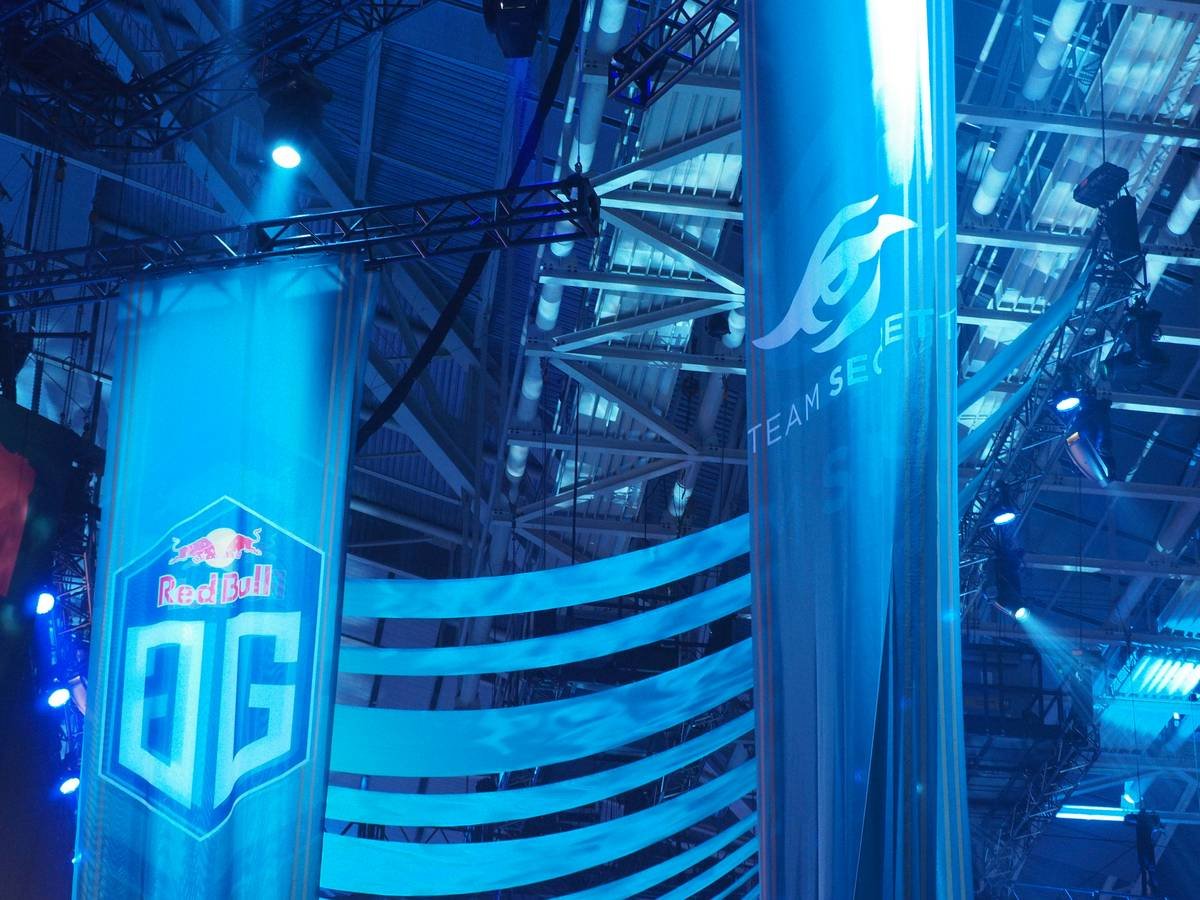
Proof this model works? Look at Team Secret. After OWL’s collapse, they restructured around European academy talent. Entered EMEA Challenger #1 with no sponsorships. Finished top 3. Now they’re locked into the EMEA Circuit with Logitech as a backer.
Or consider Kun “Xzi” Xian, former Guangzhou Charge flex support. When OWL folded, he joined an open qualifier squad in China. They placed 2nd in APAC Circuit 1—and earned a DreamHack Dallas invite. His Twitter DMs blew up with org offers overnight.
This isn’t theoretical. It’s happening. And faster than you can say “nano boost me.”
Overwatch League Regional Circuits FAQs
Are Overwatch League regional circuits the same as OWL?
No. OWL was a closed franchise league. Regional circuits are open, merit-based, and part of the Overwatch Champions Series (OWCS).
Can solo players join regional circuits?
Not directly—you need a full team (6 players + 1 coach). But many regions host “free agent pools” to help form squads.
When do qualifiers happen?
Cycles run quarterly. Check your region’s official OWCS page (e.g., na.overwatchesports.com).
Do circuit wins count toward world rankings?
Yes! OWCS Points determine seeding for global events like the OWCS Major or World Championship.
Is there still Overwatch League content on YouTube?
Official OWL channels are inactive, but regional broadcasts (like OWCS NA on YouTube) stream weekly matches.
Conclusion
The Overwatch League may be gone, but competitive Overwatch isn’t dead—it’s decentralized, more accessible, and arguably healthier. The Overwatch League regional circuits aren’t a consolation prize; they’re a course correction. For players, it’s a real shot at pro play without billionaire backing. For fans, it means fresher rivalries, local heroes, and global stakes.
So yes—you can still stay up till 3 a.m. for epic comebacks. Just know the jerseys will say “Team Falcons” instead of “Dallas Fuel.” And honestly? That’s kind of beautiful.
Like a Tamagotchi, your esports dream needs daily care—feed it scrims, love it through tilt, and never let it die mid-pulse bomb.
Regional dreams rise,
From OWL’s ashes, new stars blaze—
Nano boost the future.