
Ever stared at an Overwatch League bracket and felt like you’re trying to decipher ancient runes? You’re not alone. With over 2 million fans globally, predicting OWL outcomes has become as much a part of the experience as cheering for your favorite DPS legends. But what if there was more than meets the eye? Enter Bracket Prediction Tools.
In this guide, we’ll dive into how these tools can enhance (or ruin!) your league experience. We’ll cover the importance of bracket prediction in competitive gaming, how to pick the right tool, pro tips from esports gurus, real-life success stories—and yes—even some brutal rants about bad tools along the way.
Table of Contents
- Key Takeaways
- Why Bracket Prediction Matters in Esports
- How to Use Bracket Prediction Tools Effectively
- Tips for Mastering Predictions Without Losing Your Mind
- Case Study: When Predictions Nailed It (and When They Didn’t)
- Frequently Asked Questions About Bracket Prediction Tools
Key Takeaways
- Bracket prediction tools help fans engage deeper with the Overwatch League by forecasting match outcomes using advanced algorithms.
- Picking the wrong tool could lead to frustration—or worse, embarrassment among friends during watch parties.
- These tools are NOT magic wands; human intuition still matters when evaluating team performance.
- Real-world examples show both incredible accuracy and glaring misses depending on input quality.
Why Bracket Prediction Matters in Esports

Let’s be honest here—predicting brackets isn’t just fun; it’s borderline addictive. For those who’ve never played around with one of these platforms before, imagine sitting courtside at an NBA game but having access to stats, matchups, and insider predictions tailored specifically to your picks. That’s essentially what bracket prediction tools do for esports enthusiasts.
I once misused such a tool thinking “algorithm = infallible.” Spoiler alert: I lost bets big time because my shiny new gadget didn’t account for human error (like that rookie tank player fumbling under pressure). Lesson learned? Technology is great—but don’t forget your instincts!
How to Use Bracket Prediction Tools Effectively
“Optimist You:” “Just follow these steps, and you’ll crush every prediction!”
“Grumpy You:” “Ugh, fine—but only after coffee AND snacks.”
- Research Quality Inputs: A good starting point is ensuring reliable historical data feeds into the system. Look for options connected to OWL databases.
- Filter Settings Appropriately: Most tools offer filters based on metrics like win rates, average damage per minute, etc. Don’t get lazy!
- Test Out Several Platforms: Not all tools are created equal. Try free trials first until you find the one that fits your vibe.
- Tweak Manually Where Needed: Sometimes auto-predicted winners need tweaking based on recent roster changes—this is where YOU come in handy.
Tips for Mastering Predictions Without Losing Your Mind
Avoid turning this process into a headache marathon:
- Set aside dedicated time weekly so things don’t pile up last-minute.
- Keep notes on trends noticed while browsing multiple sites/sources.
- Avoid overly hyped-up models promising *perfect* forecasts—they probably aren’t worth their weight in pixels.
- [Pro Tip] Pair predictions with virtual watch parties; discussing ideas helps validate theories!
Case Study: When Predictions Nailed It (and When They Didn’t)
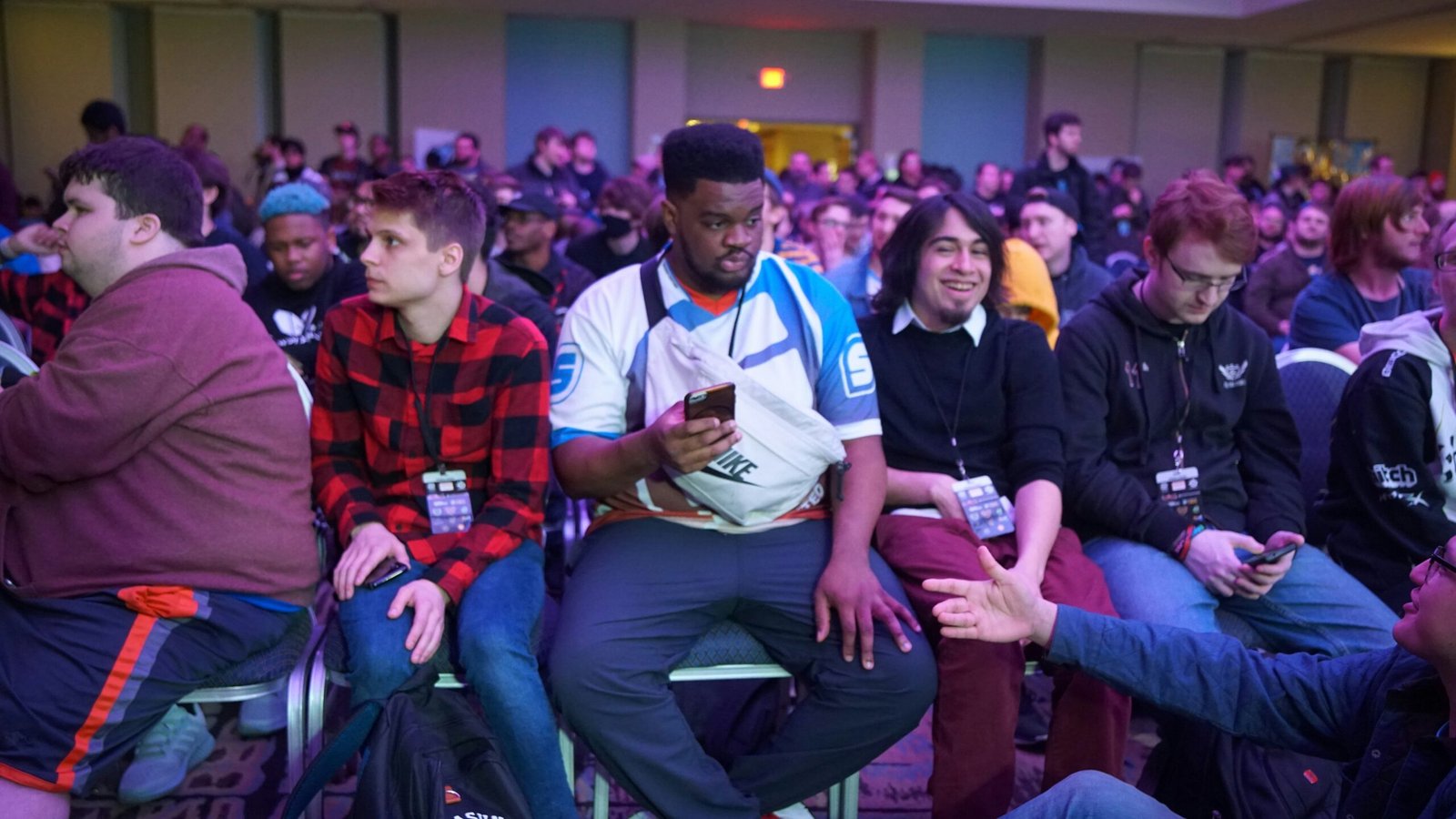
Consider 2022 Season Playoffs—a season infamous for upsets galore. One particular prediction platform aced several high-stakes matches due largely to meticulous stat-crunching. However, even the best stumbled massively in the Grand Finals round when Seoul Dynasty pulled off THAT underdog victory no one saw coming.
This reminds us: despite fancy tech, uncertainty remains part-and-parcel within esports lore—making wins sweeter and losses saltier.
Frequently Asked Questions About Bracket Prediction Tools
Are These Tools Only Useful During Tournaments?
Nope! Many also serve as year-round resources analyzing overall team strength trends—perfectly complementing casual viewing habits outside major events.
Can Beginners Use This Tech Easily?
Absolutely! Most modern solutions feature user-friendly interfaces designed precisely keeping beginners in mind—no coding skills required.
Is There Any Downside To Relying Too Much On Them?
Yes! Over-reliance might diminish personal judgment skills crucial especially amidst live unpredictability scenarios.
Conclusion: The Final Showdown Between Human Intuition And Digital Digits
We’ve covered ground today ranging from understanding basics upwards towards mastering sophisticated software combos. Remember folks—technology serves as a powerful ally yet shouldn’t replace our gut feelings entirely either.
So next time someone asks why you bother diving deep into complex analytics pre-game night: remind them true victory lies not solely through machines but rather marrying strategy with soulful spirit!
Like nostalgia hitting hard mid-match — remember Tamagotchis needing daily care? Treat each forecast session similarly filled balance between art & science.
HaiKu Time:
Algorithms crunch,
Numbers whisper secrets loud,
Esports pulse beats strong.