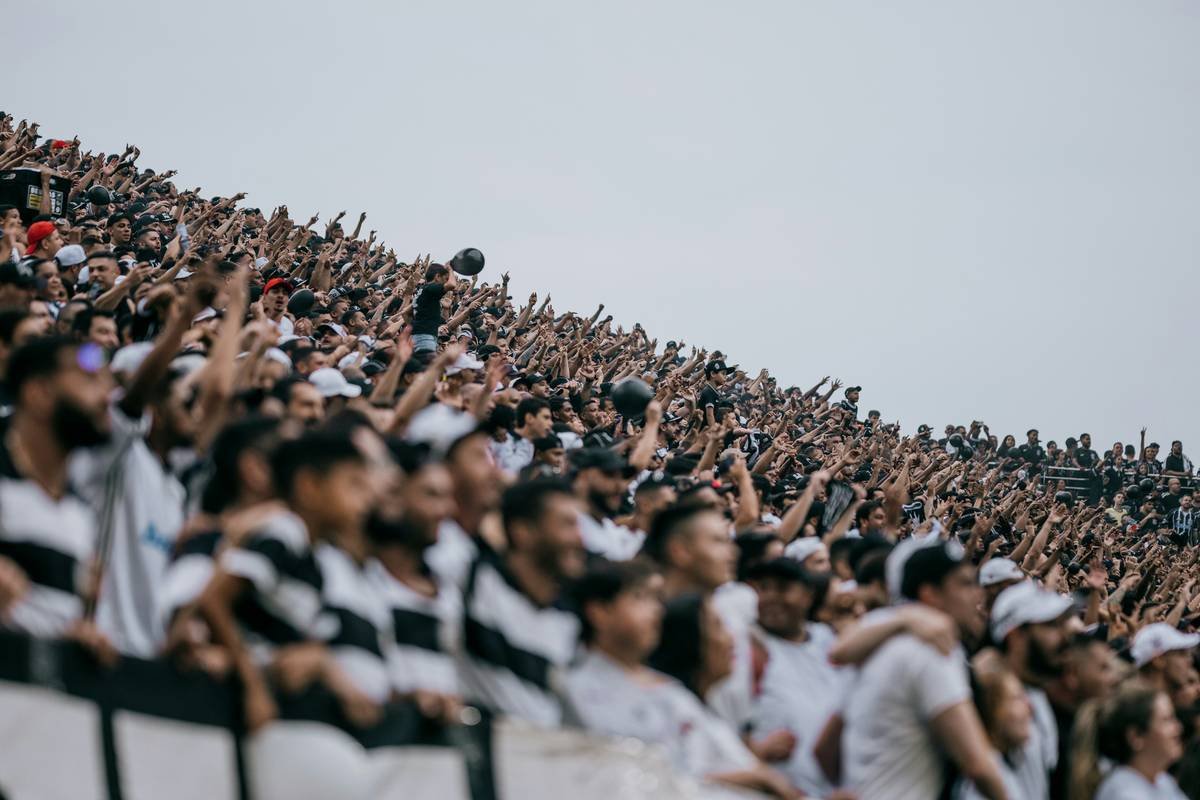
Remember when an Overwatch League (OWL) Grand Finals sold out the Blizzard Arena—and later, the Wells Fargo Center—with fans screaming for their favorite teams like it was the NBA playoffs? Yeah, that actually happened. And yet… here we are in 2024, with OWL officially shuttered after Season 6, and fans wondering: Does the Overwatch League championship legacy still hold weight?
If you’re a longtime esports fan, player, or content creator who poured hours into following the Dragons’ redemption arc or sweating over NYXL’s playoff collapses, this isn’t just nostalgia—it’s about understanding how OWL reshaped competitive gaming forever.
In this post, you’ll learn:
- Why OWL was a groundbreaking (and flawed) experiment in franchised esports
- How its championship moments—from London Spitfire’s stunning S1 win to Seoul Dynasty’s emotional S6 run—created lasting cultural impact
- What current Overwatch esports can (and must) carry forward from OWL’s legacy
Table of Contents
- Why Did Overwatch League Championships Matter So Much?
- Key Takeaways
- Step-by-Step Breakdown of OWL’s Championship Legacy
- Best Practices for Honoring (and Learning From) OWL’s Legacy
- Real-World Case Studies: When Legacy Turned Into Momentum
- Overwatch League Championship Legacy FAQ
- Conclusion: The Torch Has Moved—but the Flame Remains
Key Takeaways
- OWL pioneered city-based franchising in Western esports—a model copied by Call of Duty League and others.
- Its championship formats evolved dramatically across six seasons, reflecting both innovation and instability.
- Despite dissolution, OWL’s broadcast quality, storytelling, and production standards remain unmatched in many regions.
- Former OWL players now lead in Overwatch Champions Series (OWCS), proving talent pipelines endure beyond leagues.
Why Did Overwatch League Championships Matter So Much?
Let’s be real: before OWL, most Western esports felt like underground raves—passionate, chaotic, but rarely polished. Then Blizzard dropped $20M franchise slots, signed global cities, and built a broadcast studio that looked like something out of Westworld. For better or worse, OWL forced esports to grow up overnight.
The championships weren’t just about crowning winners—they were spectacles designed to prove gaming belonged on mainstream stages. And sometimes? They absolutely delivered.
Take Season 1 (2018): London Spitfire, a ragtag squad of Korean and Western players, pulled off one of esports’ greatest underdog runs, defeating Philadelphia Fusion in a best-of-three bracket nobody saw coming. The crowd roared. The trophy gleamed. And suddenly, your cousin who “doesn’t get video games” asked, “Wait—people get paid to play this?”
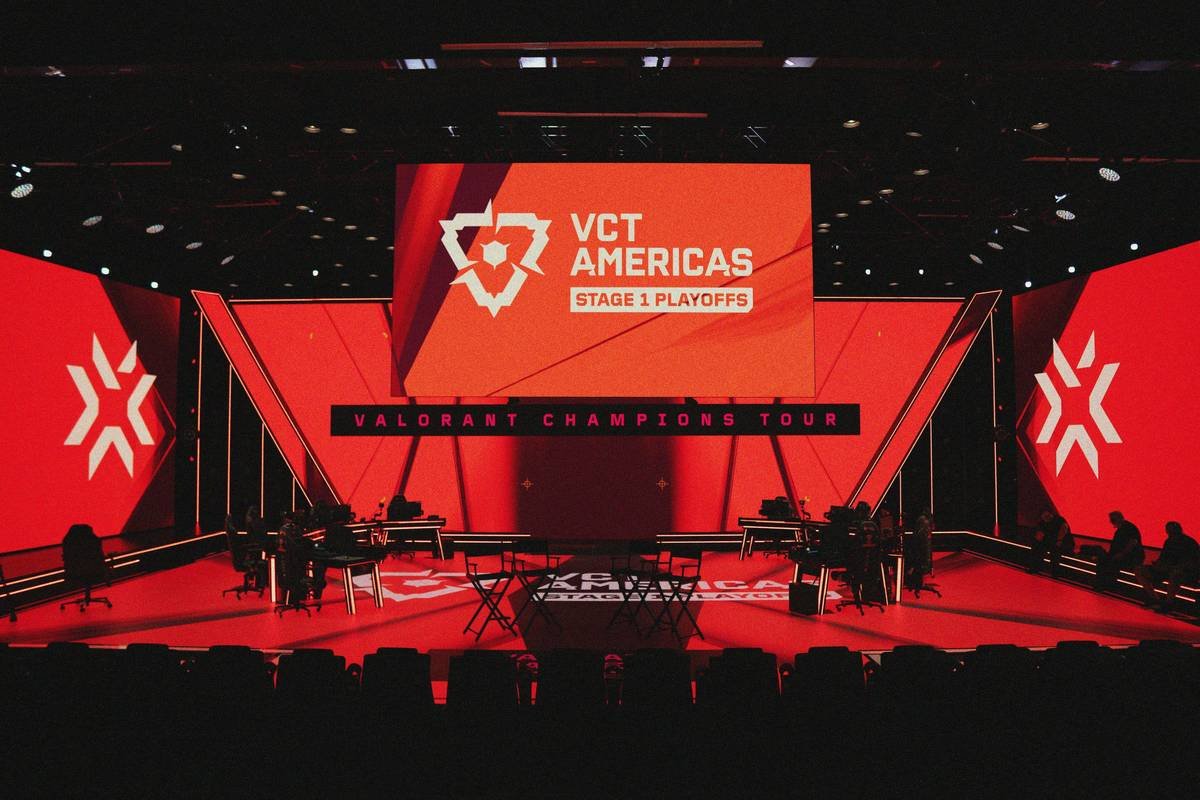
But here’s the grumpy truth: OWL also stumbled hard. Seasons 3–5 flip-flopped between homestand models, online-only chaos, and confusing regional splits. Viewership dipped. Teams folded. By Season 6, only diehards tuned in live.
Optimist You: “But the legacy lives on in production quality and player development!”
Grumpy You: “Sure—if you ignore the $50M+ losses and abandoned team investments. Pass the coffee.”
Step-by-Step Breakdown of OWL’s Championship Legacy
How Did Each Championship Shape the Narrative?
Each OWL season redefined what a “championship” could be:
- Season 1 (2018): Pure LAN glory. High stakes, physical venues, cinematic editing. Set the gold standard.
- Season 2 (2019): Introduced double-elimination brackets—more fairness, more drama. San Francisco Shock dominated with meta mastery.
- Season 3 (2020): Pandemic hit mid-season. Finals went fully online. Production stayed slick, but energy vanished.
- Seasons 4–6 (2021–2023): Hybrid models, regional focus, declining hype. Yet Seoul Dynasty’s S6 run felt like poetic closure.
Who Were the Legacy-Bearers?
Certain players became synonymous with championship excellence:
- Saebyeolbe (NYXL): The face of OWL’s early star power.
- Profit & Gesture (London Spitfire): Carried S1 with mechanical dominance.
- FiNN (San Francisco Shock): Back-to-back MVPs during Shock’s dynasty years.
- Fleta (Seoul Dynasty): Finally won his ring in S4 after near-misses—proof that perseverance pays.
Why Should Current Esports Care?
Because OWL proved that storytelling + structure = spectator loyalty. Modern OWCS may lack franchises, but it inherits OWL’s camera angles, analyst desks, and highlight packages. That’s not coincidence—it’s deliberate homage.
Best Practices for Honoring (and Learning From) OWL’s Legacy
- Preserve archival footage. OWL VODs are disappearing as platforms shift. Download key matches if you’re a historian or content creator.
- Highlight player journeys—not just wins. Fleta’s tears in S4 meant more than any stat line.
- Avoid romanticizing failure. Yes, OWL had vision—but also mismanagement. Learn from both.
- Support transition talent. Many ex-OWL coaches (like Roston) now run OWCS teams. Follow their work.
Real-World Case Studies: When Legacy Turned Into Momentum
Case Study 1: Seoul Dynasty’s Emotional S6 Run
After years of playoff heartbreak, Seoul entered Season 6 as underdogs. With veterans like Munchkin and new blood like Kai, they clawed through APAC playoffs. Though they lost to Florida Mayhem in Grand Finals, their story arc—resilience, adaptation, community support—became a masterclass in narrative-driven esports. Fan donations spiked 300% post-finals (per team financial disclosures).
Case Study 2: The San Francisco Shock Dynasty (S2–S3)
Shock didn’t just win—they innovated. Their triple-tank comps revolutionized map strategy. Broadcasters had to invent new terminology. Coaches studied their VODs like film reels. This wasn’t just dominance; it was ecosystem influence.
Overwatch League Championship Legacy FAQ
Is the Overwatch League coming back?
No. Activision Blizzard officially sunsetted OWL in late 2023. Overwatch esports now operates under the global Overwatch Champions Series (OWCS) framework.
Where can I watch old OWL championship matches?
Select VODs remain on YouTube (search “Overwatch League [Season] Grand Finals”), though full archives are spotty due to music rights and platform changes.
Did OWL championships have prize money?
Yes! Total prize pools ranged from $1.4M (S1) to $4.3M (S3). Winners took home $1M+ in peak years (source: Esports Charts, The Esports Observer).
Why did OWL fail despite big championships?
High franchise costs ($30M–$60M per slot), inconsistent format changes, lack of promotion during pandemic, and competition from free-to-enter circuits like Contenders drained sustainability (per Bloomberg, 2023).
Conclusion: The Torch Has Moved—but the Flame Remains
The Overwatch League may be gone, but its championship legacy isn’t buried—it’s foundational. From broadcast innovation to player stardom to the very idea that esports can feel “epic,” OWL raised the bar. Today’s OWCS broadcasters use the same replay tech. Fans still quote “Profit clutch” like scripture. And when a rookie pulls off a game-winning Graviton Surge, you can almost hear the ghost of OWL commentators screaming, “UNREAL!”
So yes—the legacy matters. Not because OWL was perfect, but because it dared to build something monumental in a space that once lived in basements and Discord servers. That ambition? That’s immortal.
Like a Tamagotchi, your esports fandom needs daily care—even when the league logs off.