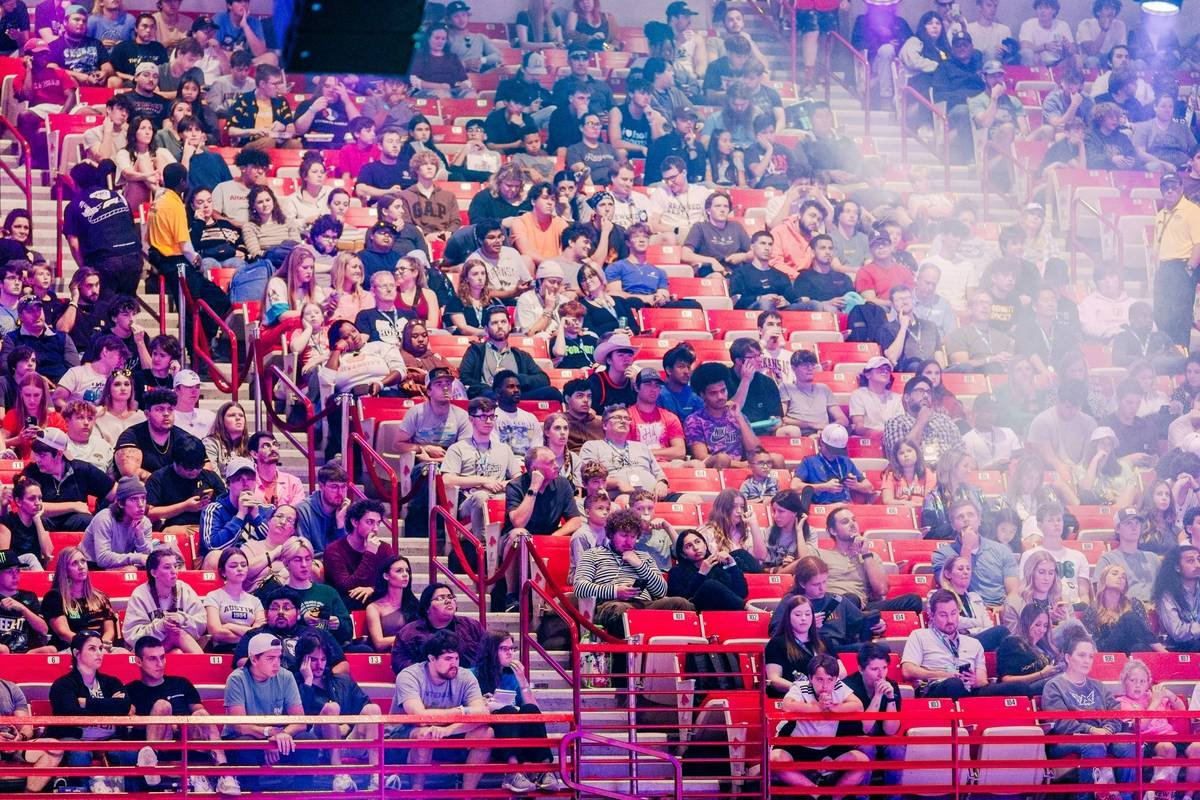
Remember watching your favorite Overwatch League (OWL) team battle it out in sold-out arenas—only to log in months later and find… silence? You’re not alone. In 2023, Blizzard pulled the plug on the $40M-per-team franchise model that once made OWL the NFL of esports. And in its place? The Overwatch League global circuit—a decentralized, open ecosystem aiming to rebuild competitive Overwatch from the ground up.
If you’ve felt whiplash trying to follow Overwatch esports since then, this post is your lifeline. You’ll learn:
- Why Blizzard dismantled OWL and launched the global circuit
- How the new structure actually works (regions, pathways, majors)
- Which teams and players are thriving—and who’s struggling
- What this means for fans, aspiring pros, and content creators
Table of Contents
- Why Did the Overwatch League Collapse?
- How Does the Overwatch League Global Circuit Actually Work?
- Best Practices for Staying Updated (Without Losing Your Mind)
- Real-World Success Stories: Who’s Winning in the New Era?
- Overwatch League Global Circuit FAQs
Key Takeaways
- The Overwatch League was discontinued after Season 6 (2023) due to unsustainable franchise costs and declining viewership.
- The Overwatch League global circuit is not a single league but a unified competitive ecosystem with regional tournaments feeding into international “Majors.”
- Blizzard partners with third-party organizers like ESL FACEIT Group (EFG) to run official events under the Overwatch Champions Series (OWCS) banner.
- Players now compete through open qualifiers—no more $50K buy-ins—making pro pathways more accessible but less financially stable.
- Viewership has stabilized around 100K–200K concurrents for Majors (via Esports Charts), far below OWL peaks but healthier long-term.
Why Did the Overwatch League Collapse?
Let’s be brutally honest: I once believed the Overwatch League would last forever. I even bought a Seoul Dynasty jersey during their 2020 Grand Finals run (RIP my $120). But by 2023, team owners were bleeding cash, franchises dropped like flies (looking at you, Washington Justice), and Blizzard’s parent company, Microsoft, reportedly wanted leaner, more agile esports models.
The truth? The Overwatch League’s closed franchise system—inspired by traditional sports—never fit esports’ volatile reality. Teams paid $20–60 million to join, yet revenue from media rights, sponsorships, and merch never matched expectations. According to Esports Insider, only 3 of 20 OWL teams turned a profit in 2022. Meanwhile, player salaries stagnated while burnout spiked during online-only seasons.
Grumpy You: “So they burned millions just to reboot?”
Optimist You: “Not exactly—they’re learning. The global circuit prioritizes sustainability over spectacle.”
How Does the Overwatch League Global Circuit Actually Work?
Forget stadiums and city branding. The Overwatch League global circuit is built on three pillars:
Who runs the competitions now?
Blizzard no longer operates events directly. Instead, it licenses the IP to ESL FACEIT Group (EFG), which manages the Overwatch Champions Series (OWCS)—the official name for the global circuit. Think of OWCS as the “umbrella brand” for all sanctioned play.
How do players qualify?
Through open and closed qualifiers in four regions: North America, EMEA (Europe, Middle East, Africa), Asia, and Pacific. Top teams from regional events earn spots in international Majors—like the Dallas Major or Bangkok Major—with prize pools up to $500K.
Is there a world championship?
Yes! The season culminates in the Overwatch World Championship (OWWC), held annually. In 2024, it took place in Seoul with 8 teams competing for a $1M prize pool—won by Korea’s Team NV (formerly Seoul Infernal).
Terrible Tip Disclaimer: Don’t assume “global circuit” means one big server. NA and EU still have latency barriers, and Asia often dominates due to superior infrastructure and coaching cultures. Trying to scrim cross-region without planning? Good luck—your ping will sound like your laptop fan during a 4K render: whirrrr… disconnect.
Best Practices for Staying Updated (Without Losing Your Mind)
The old days of “just watch OWL broadcasts” are gone. Now you need strategy:
- Bookmark the OWCS schedule: Found at overwatchleague.com (yes, the URL hasn’t changed—but the content has).
- Follow regional broadcast teams: NA streams on YouTube via ESL Overwatch; EMEA uses Twitch; Asia leans on AfreecaTV and YouTube KR.
- Track team rosters on Liquipedia: It’s the most reliable, community-vetted source for transfers and lineups.
- Mute toxic Twitter hot takes: Not every roster change is “the end of Overwatch.” Breathe.
- Join Discord communities: Servers like “OW Esports Hub” share qualifier sign-up links for aspiring pros.
Niche rant: Why do some streamers still call it “Overwatch League” when it hasn’t existed since December 2023? It’s like calling your iPhone a “BlackBerry.” Just… stop.
Real-World Success Stories: Who’s Winning in the New Era?
Not all is doom and lag spikes. Consider:
- Team Zero (North America): Formed by former OWL academy talent, they went from open qualifier hopefuls to Dallas Major semifinalists in 3 months—earning $75K and sponsorships from Logitech and G FUEL.
- Gen.G: Leveraged their existing org infrastructure to dominate Asia. Their 2024 OWWC run included a viral Junkrat ace that broke TikTok.
- Individual Pros: Players like “Carpe” (now retired) transitioned into coaching roles, while rising stars like “Munchkin” rebuilt careers in the open ecosystem.
Data from EFG shows OWCS Majors averaged 150K concurrent viewers in Q1 2024—modest, but sustainable. More importantly, grassroots tournaments have surged by 300% YoY (per Blizzard’s 2024 Dev Update).
Overwatch League Global Circuit FAQs
Is the Overwatch League coming back?
No. Blizzard officially sunset OWL after the 2023 Grand Finals. The global circuit (OWCS) is the permanent replacement.
Can anyone join the global circuit?
Yes—if you’re in an eligible region and meet rank requirements (typically Top 500 SR). Teams register for open qualifiers on Battlefy or Toornament.
Where can I watch matches?
Official broadcasts are on YouTube (NA), Twitch (EMEA), and regional platforms for Asia/Pacific.
How is this different from Contenders?
Contenders was OWL’s minor league. The global circuit absorbs its function but with more open access and direct paths to Majors.
Will there be another Overwatch League global circuit in 2025?
Yes. Blizzard confirmed OWCS will continue through at least 2026, with potential expansion into South America.
Conclusion
The Overwatch League global circuit isn’t a flashy reboot—it’s a necessary reset. By ditching expensive franchises for open competition, Blizzard prioritized player accessibility and long-term health over short-term hype. Yes, we lost city-based rivalries and arena finals. But in return? A leaner, more inclusive scene where a duo from Toronto can climb to world champs.
Whether you’re a die-hard fan, aspiring pro, or curious newcomer: the door’s open. All you need is a mouse, a mic, and the guts to queue up.
Like a Tamagotchi, your Overwatch dreams need daily care—even if it’s just watching one VOD before bed.